The Moses Project: Healthwatch Heroes Giving Homeless People a Voice
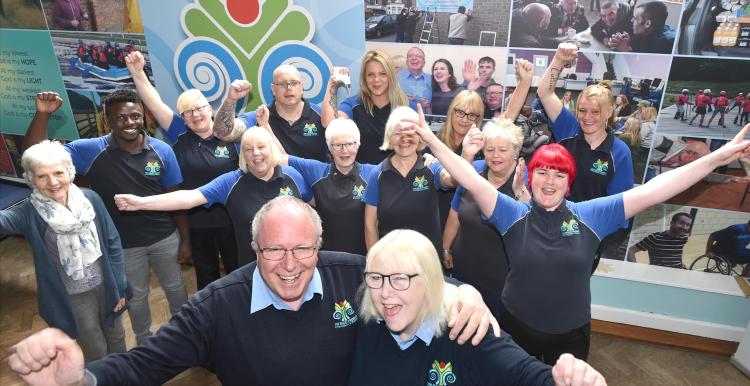
Traditional surveys don’t reach people living with homelessness, trauma or instability. These conversations needed trust, safety, and the right environment, something The Moses Project team has built over years of consistent, compassionate work.
Every participant told us variations of the same thing:
‘We can only talk about this because of them.’
‘They save lives.’
Why The Moses Project Are Our Healthwatch Heroes
During our visit, the men spoke openly about death and dying, something they rarely feel able to do elsewhere. They described the team at The Moses Project as the people who listen without judgement, who show up when it matters, and who stay by their side through the darkest moments.
While some men naturally mentioned Brian by name, because of his long-standing role and deep connection with them, they consistently spoke about the team as their source of trust and safety.
‘They’re the only people I trust to talk about death.’
‘I wouldn’t be here without them.’
One story in particular illustrates the impact of the project.
A participant told us he once felt suicidal. A member of staff recognised the signs immediately and tried to get him support. When services couldn’t admit him, they didn’t leave him alone.
They stayed with him, got him a warm drink, and sat through the night to keep him safe.
Another man shared that after major surgery he was discharged late at night with nowhere to go. He slept in a doorway with CCTV because it was the only place he felt someone might find him if he collapsed.
It was The Moses Project who helped him feel human again. Across every conversation, it was clear:
This isn’t one hero, it’s a community of care.
The Moses Project team provide:
- Safety
- Warmth
- Practical help
- Emotional support
- A non‑judgemental space
- People who will not walk away
This is why they are Healthwatch Heroes.
What People Told Us About Death, Dying and Care
Here’s what mattered most to the men we spoke with, in their own words:
Safety and warmth
'When the times comes, I just want to be warm, safe and cared for.'

Kindness
Hospice or care home settings were acceptable, if staff are genuinely caring.
Being listened to
‘I don’t want decisions made about me without me.’
Mistrust of services
Almost no one trusted medical professionals. Everyone trusted The Moses Project team.
No written plans
‘When you’re homeless, writing things down isn’t a priority.’
Wanting to help others
Many hoped their stories would help people in similar situations. One man, who had previously been clinically dead following a seizure, said simply:
‘I know it could happen again...I just want to be somewhere warm and safe when it comes.’
Why This Insight Matters
This engagement highlights something crucial for system partners:
- People experiencing homelessness cannot be reached through standard surveys.
- Trust must be built over time, with trauma‑aware, relational approaches.
- The Moses Project team provide care, compassion and safety long before services do — making these conversations possible.
These voices will now be shared with the North East and North Cumbria Integrated Care Board to shape more compassionate, inclusive end‑of‑life care for people who are too often overlooked.
You can read the full insight report below.