Making Our Report Accessible for the Deaf Community
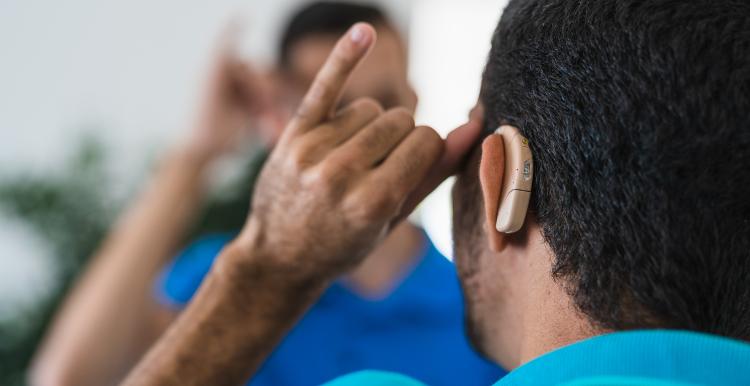
Creating accessible information for Deaf communities is not simple. Deaf people use a wide range of communication methods, including BSL, SSE, speech-to-text, written English at different literacy levels, and lip‑reading. This means a single format cannot meet everyone’s needs.
We also found that producing high‑quality BSL content requires specialist skills, time, and cost. Creating a BSL version of any document involves trained interpreters, filming, editing, and careful checking for accuracy and cultural relevance.
Alongside this, we faced workforce pressures, interpreter availability issues, and capacity challenges within local Deaf support services.
Our experience highlighted:
- Unclear or inconsistent accessibility guidance
- Limited specialist workforce
- Variation in Deaf awareness training
- Lack of sustainable resource for accessible communication
These barriers mirror what Deaf people reported to us throughout the project.
Why we are publishing now
We did not want these challenges to delay the release of this important report. Deaf people have waited long enough to have their experiences heard and recognised.
We have therefore chosen to publish the written report now and are currently developing a full BSL‑signed video version, which will be added as soon as it is ready. This will ensure the findings are shared without delay, while still committing to accessible formats that meet the needs of the community.
Thank you for your patience as we continue this work.
Thank you to everyone who contributed, your voices are at the heart of this report.
You can find out more and download the full report by clicking on the link below.
Why Aren’t We Being Heard? Deaf Community Experiences in Health and Care Report